Diesel diagnostics
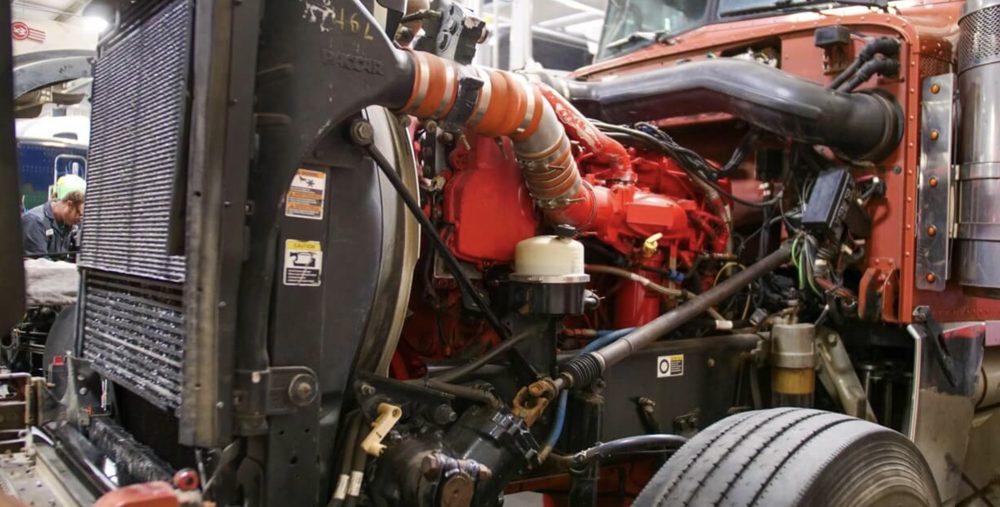
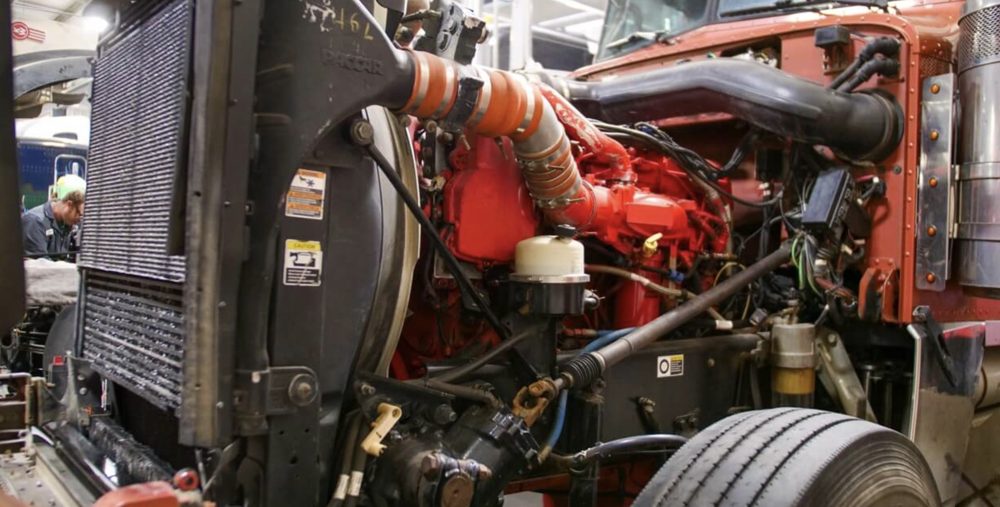
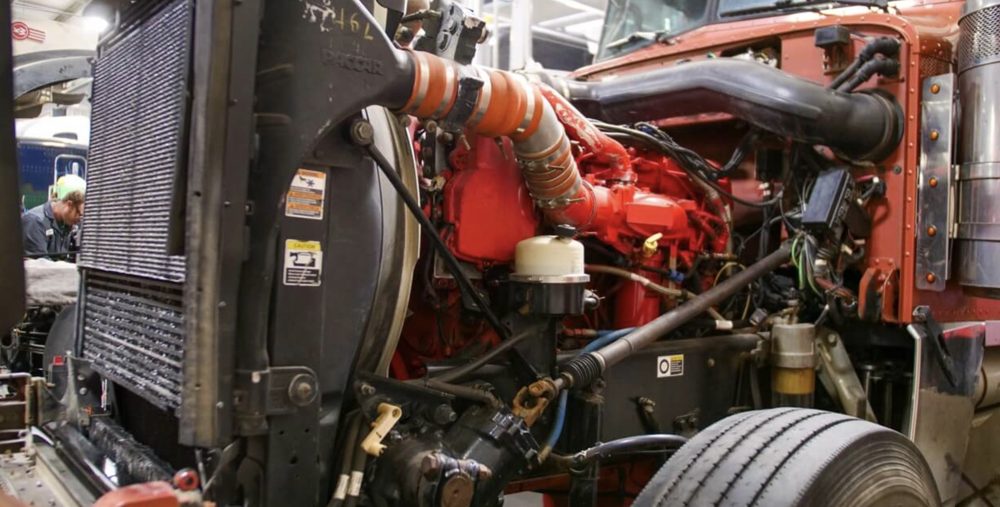
Codes scanned, circuits tested, verdict explained in plain words before parts move. No-starts, derates, and warning lights.
Baltimore freight is port freight, beltway freight, and the thousand docks between. When a tractor dies in a Dundalk yard or a trailer fails its lights at a Curtis Bay gate, hauling it to a shop means losing the day. Baltimore On-Site Truck & Trailer Repair works the other direction: the technician, the parts, and the diagnosis come to the truck.
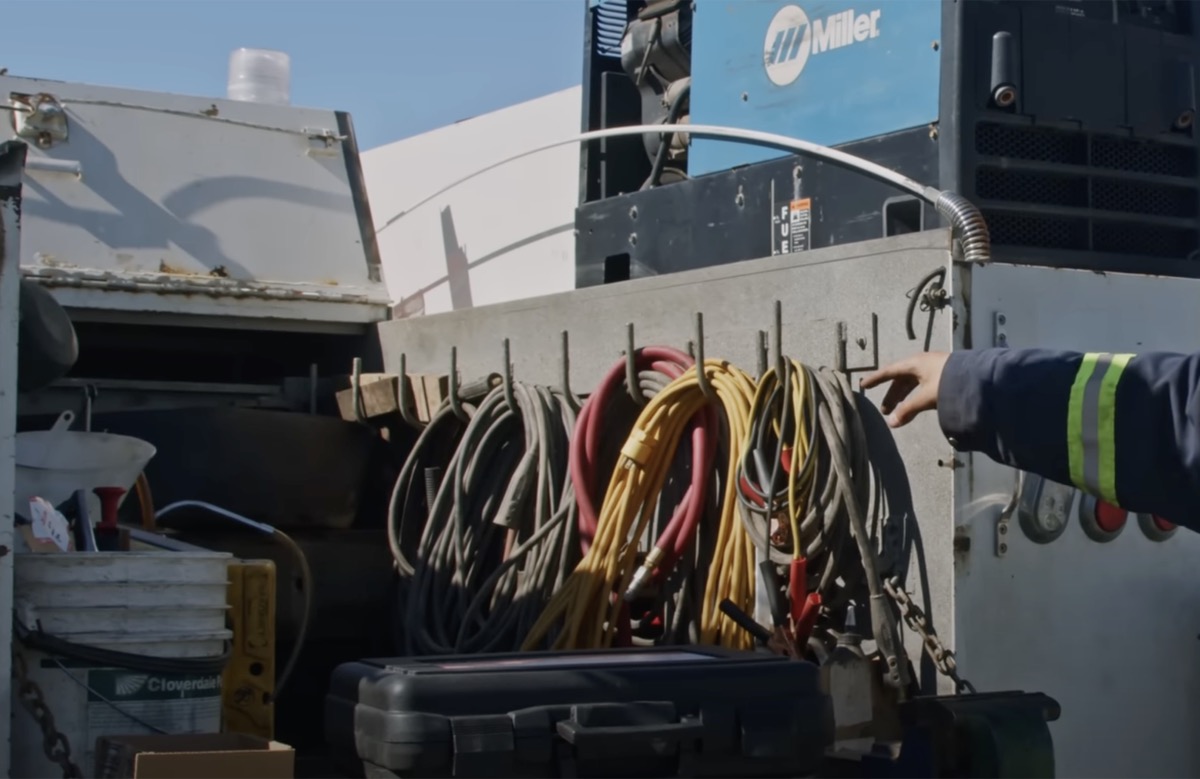
Diesel faults, air and brake systems, trailer and chassis work, tires, electrical, and standing fleet maintenance. One number, answered by people who know which gate you mean.
The distribution operations around the beltway run tight schedules on equipment that works hard in salt eight months a year. Standing accounts get scheduled yard rounds, per-unit histories, and flags when a truck starts developing a habit. The owner-operator hauling out of the port gets the same diagnostic honesty, one truck at a time.
Every visit ends in a dispatchable verdict: released, released with a watch item, or shop-bound with the diagnosis documented. Nobody plans a route around a shrug.
Eyes on the truck beat guesses from the office. Walk the rig if it is safe, read the dash, and take two photos.
Codes scanned, circuits tested, verdict explained in plain words before parts move. No-starts, derates, and warning lights.
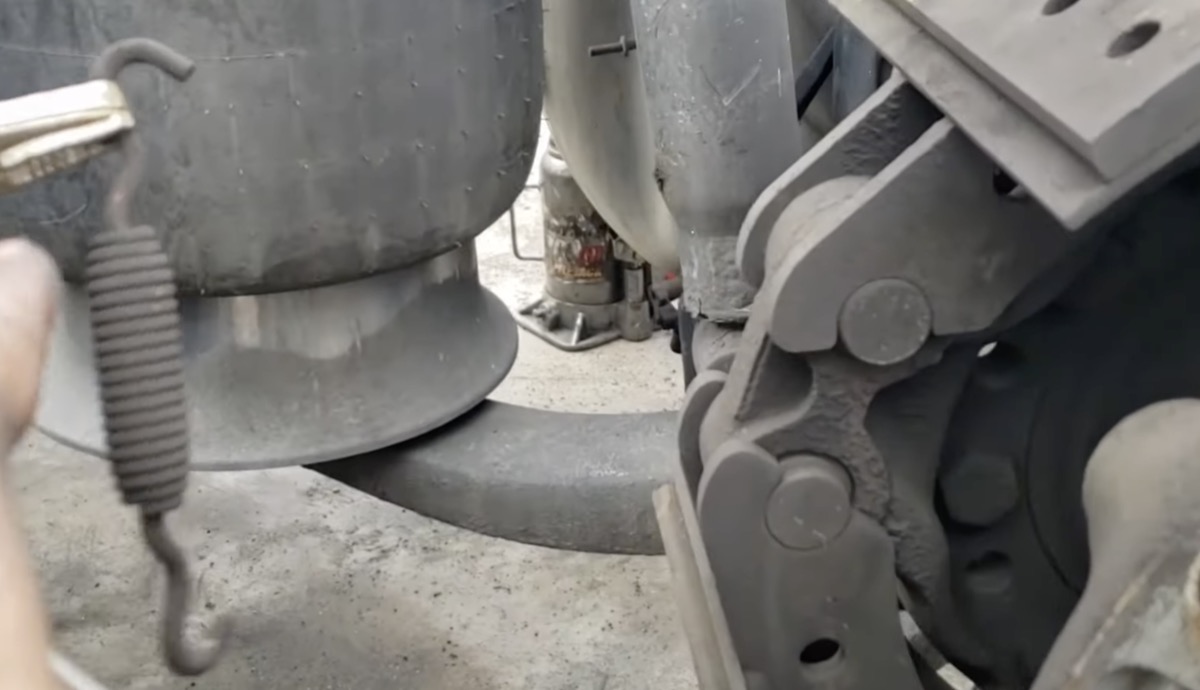
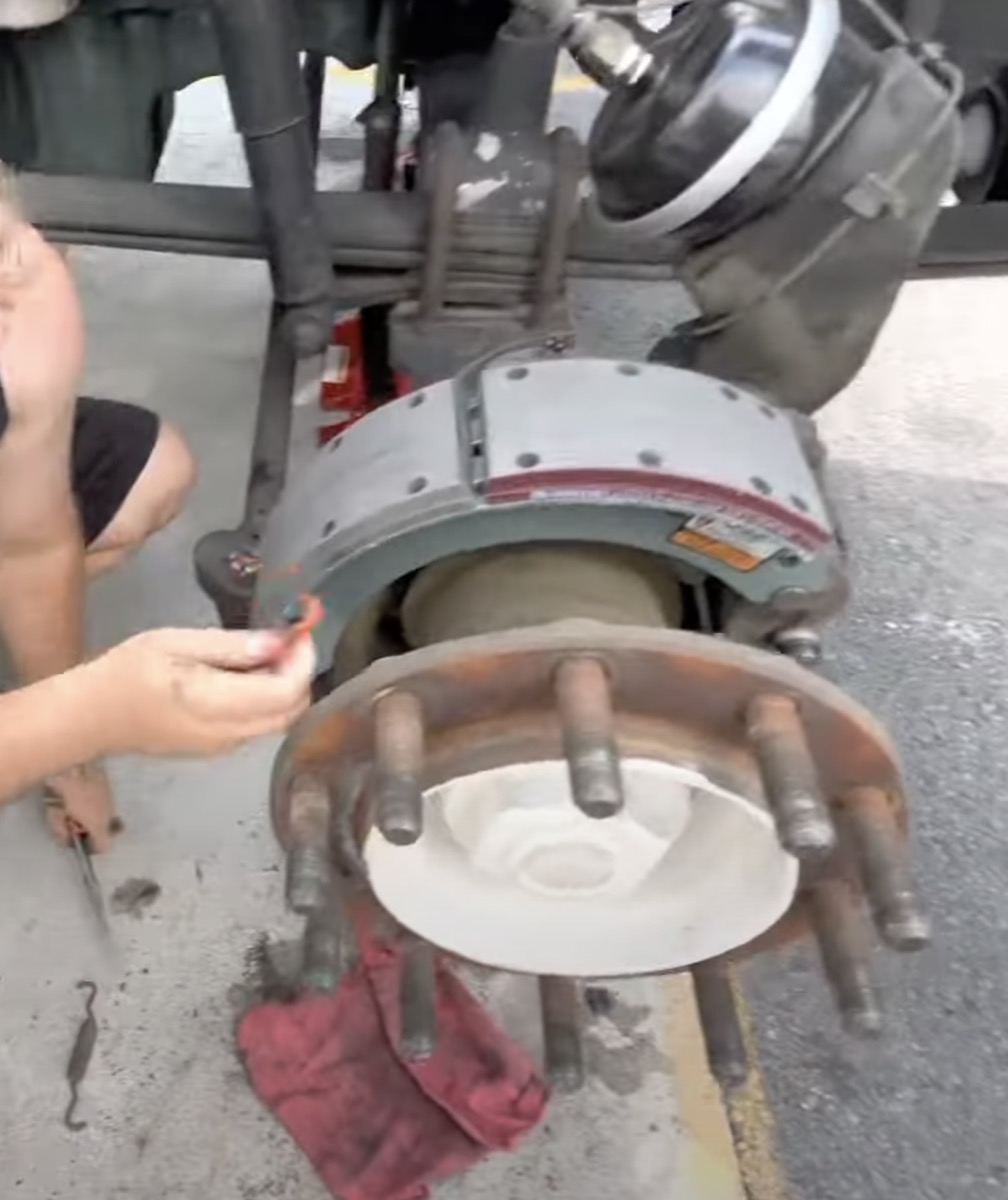
Leaks, chambers, valves, adjusters, ABS. Beltway traffic and port grades are brake torture, and the work gets zero shortcuts.
Lights, seven-ways, air lines, doors, floors, landing gear. Gate failures fixed where the gate rejected them.
Load tests before replacements, output verified after, corroded cables found and cut out.
Changeouts and repairs at the truck, torqued to spec, mate tires checked on every dual.
Scheduled yard sweeps with unit histories, timed against your gate calendar and the salt season.
Our daily map is the working east side: Dundalk and the marine terminal yards, Curtis Bay, Holabird Avenue's warehouse row, and the industrial pockets along Pulaski Highway. Around it all runs 695, with I-95 punching through the middle and I-70 dead-ending into the truck world at the west edge. Every one of those roads produces breakdowns with their own personality, and we have met them all.
Port-adjacent work has rules: gates, escorts, TWIC zones, and appointment windows that do not care about your alternator. We handle the access choreography as part of the job, because a repair that cannot reach the truck is just a phone call.
You bring four facts to the call: the behavior, the exact spot, the load, and whether it rolls without harm. We give back three: the probable fault, whether it fixes on-site, and a real arrival window through Baltimore traffic. Photos of the dash or the damage sharpen everything.
If the answer is a bay job, you hear it on the phone with the reasoning, not after a service fee. Dispatchers keep our number because the verdicts hold up.
Near-terminal yards and staging lots, routinely. Inside secure zones depends on the facility's vendor rules, and we know the drill for the ones that allow it: credentials, escorts, and timing. Say the terminal name when you call and we will tell you exactly how it goes.
The usual gate rejections come down to lamps, leaks, and rubber, and one staging-area visit closes out most of them. We also sweep the rest of the trailer so it does not bounce twice. Call with the failure list and we roll with the right stock.
Where a person can work safely, yes. Where traffic makes it a gamble, we help arrange the short move first. A beltway shoulder at rush hour is nobody's repair bay.
Give us the unit list and we clear it in one planned pass, routes-first order. Fleets that book a fall battery-and-air-dryer sweep mostly skip those mornings entirely, which we remind everyone in October.
All day. The city runs on them, their liftgates and brakes take a beating, and losing one to a shop queue hurts a small fleet more than anyone. Same triage, same number.
Quoted before we roll, card at the truck or fleet billing on account, and the invoice matches the quote unless the truck surprised us all, in which case you heard about it before we proceeded.
Salt is the city's signature. Between road treatment and harbor air, electrical connectors corrode here faster than anywhere we could name, so lighting and charging calls start at the plugs and grounds, not the parts store. Trailer floors and door hardware around the seafood and produce docks age on their own accelerated calendar, and we check the hinges nobody notices until a door refuses a load.
The other pattern is container weight. Chassis equipment runs loaded, outside, and unloved, which is why gate failures cluster on it. When we fix one chassis fault we sweep its neighbors: the light run, the tire set, the brake stroke. Second visits for the same fault are lost money for everyone, so we engineer them out.
The docks that feed this city's kitchens run refrigerated equipment on tide-and-market timing, and a reefer trailer with a dying unit is a countdown nobody negotiates with. Cold-chain calls jump our queue: the first conversation covers load temp and setpoint, the first action protects the cargo, and the repair happens second. A saved load pays for a lot of repairs. A lost one pays for a lawsuit, and everyone on this waterfront knows which invoice they prefer.
The same urgency logic covers livestock haulers, medical freight, and anything else where the cargo has opinions about time. Tell us what is in the box and the triage adjusts itself.
695 is Baltimore's freight artery and its most dangerous repair bay. Our shoulder policy is simple: if a technician can work with protected space, we work; if not, the first job is getting the truck somewhere survivable, and we coordinate that move instead of pretending around it. More trucks are lost to bad shoulder decisions than to the faults that stopped them, and we refuse to contribute to the statistic.
Baltimore geography is a tax on every shop visit: harbor crossings, beltway congestion, and the simple fact that the trucks live at the east side terminals while the bays mostly do not. A mobile repair keeps the truck at its work. Over a season, the tow fees and lost hours a fleet saves usually outrun its entire repair budget difference. The math is boring and it wins every time somebody runs it.
Port schedules and grocery distribution do not sleep, so the dispatch line does not either. Night calls get the same triage, the same honesty about windows, and usually better traffic. If your operation runs dark hours, save the number where the night dispatcher can find it.
Call. Give us the gate or the exit, the failure, and the cargo. Take the verdict and the window. Everything after that is wrenches, and the wrenches come to you.
Local service detail
Baltimore calls often involve port traffic, beltway timing, yard rules, and tight loading areas, so clear access notes and symptom details help plan the on-site repair correctly.